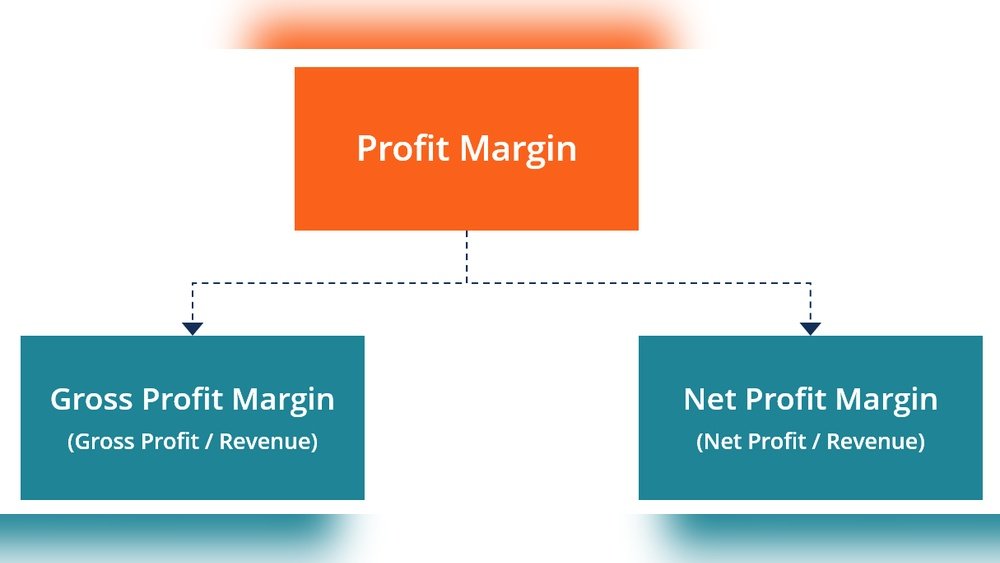
Are you trying to understand how well your business is really doing? Knowing the difference between net profit margin and gross profit margin can change the way you see your profits.
These two numbers might sound similar, but they tell very different stories about your money. Understanding them can help you make smarter decisions, save more, and grow faster. Keep reading to discover how these profit margins work and why they matter for your business success.
Net Profit Margin Basics
Net profit margin shows how much money a company keeps after all costs. It tells you the real profit from sales. This margin helps measure company health and efficiency.
It is a percentage that compares net profit to total revenue. A higher number means better control over costs and expenses. It shows how well a company turns sales into actual profit.
What Is Net Profit Margin?
Net profit margin is the ratio of net income to revenue. Net income is what remains after all expenses. These include taxes, interest, and operating costs. The formula is simple: (Net Profit ÷ Revenue) × 100.
Why Net Profit Margin Matters
This margin reveals overall profitability. It helps investors and managers make decisions. Companies with higher net profit margins often have stronger financial health.
How To Calculate Net Profit Margin
First, find net profit by subtracting all expenses from revenue. Then, divide net profit by total revenue. Multiply the result by 100 to get a percentage. This shows profit earned per dollar of sales.
Factors Affecting Net Profit Margin
Costs like labor, materials, and taxes reduce net profit margin. Pricing strategies and sales volume also affect it. Efficient management of expenses can improve the margin.
Gross Profit Margin Essentials
Gross Profit Margin is a key number for any business. It shows how much money a company keeps after paying for the cost of making its products. This margin tells if a company sells its goods at a good price compared to what it spends to make them.
Understanding Gross Profit Margin helps in checking the business health. It focuses on sales and the costs directly tied to those sales. It does not count other expenses like rent or salaries.
What Is Gross Profit Margin?
Gross Profit Margin is the percentage of sales left after the cost of goods sold is subtracted. It shows how much profit a company makes on its products before other costs. A higher margin means the company keeps more money from each sale.
How To Calculate Gross Profit Margin
Subtract the cost of goods sold from total sales. Divide the result by total sales. Multiply by 100 to get a percentage. This percentage is the Gross Profit Margin.
Why Gross Profit Margin Matters
This margin shows how well a company controls its production costs. It helps compare companies in the same industry. Investors use it to see if a business can make money selling products.
Factors Affecting Gross Profit Margin
Product pricing and production costs mainly affect this margin. Changes in material prices or labor costs can lower it. Better pricing strategies can increase the margin.
Using Gross Profit Margin For Business Decisions
Businesses use this margin to set prices and manage costs. It helps decide if products are profitable. Tracking it over time shows if a company is improving or facing problems.
Key Differences Between Margins
Understanding the key differences between net profit margin and gross profit margin helps in analyzing business health. Both margins show how well a company manages its money. Each margin tells a different story about the company’s earnings and costs.
Knowing these differences supports better financial decisions. It also helps to see where a business can improve its profits. Here are the main distinctions between net profit margin and gross profit margin.
Definition And Calculation
Gross profit margin shows profit after subtracting only the cost of goods sold (COGS). It focuses on production or purchase costs of products sold.
Net profit margin shows the percentage of profit left after all expenses. This includes operating costs, taxes, and interest.
Gross profit margin = (Revenue – COGS) ÷ Revenue × 100
Net profit margin = Net Profit ÷ Revenue × 100
What Costs Are Included
Gross profit margin includes only direct costs. These are costs tied to making or buying products.
Net profit margin includes all costs. This covers direct costs plus operating expenses, taxes, and interest.
Purpose And Use
Gross profit margin helps to check product pricing and production efficiency. It shows if the company makes money from its core activities.
Net profit margin gives a full picture of business profitability. It shows how much profit remains after all expenses.
Gross profit margin guides decisions on pricing and cost control in production. It helps improve product-related profits.
Net profit margin helps in budgeting and managing overall expenses. It guides long-term financial planning and investment.
Calculating Each Margin
Calculating profit margins helps understand a business’s financial health. Both net profit margin and gross profit margin show how well a company controls costs and generates profit. Each margin uses different figures from the income statement. Knowing how to calculate each margin makes it easier to compare business performance.
How To Calculate Gross Profit Margin
Gross profit margin shows profit after direct costs. These costs include materials and labor needed to make products. To calculate gross profit margin, subtract the cost of goods sold from total revenue. Then divide this number by total revenue. Finally, multiply by 100 to get a percentage.
Gross Profit Margin = (Revenue – Cost of Goods Sold) ÷ Revenue × 100
How To Calculate Net Profit Margin
Net profit margin shows profit after all expenses. It includes operating costs, taxes, and interest. To calculate net profit margin, subtract all expenses from total revenue. Then divide this net profit by total revenue. Multiply the result by 100 for a percentage.
Net Profit Margin = Net Profit ÷ Revenue × 100
Impact On Business Decisions
Net profit margin shows how much money a business keeps after all expenses. Gross profit margin focuses only on sales minus direct costs. Comparing both helps leaders make smarter choices about spending and pricing.
Understanding net profit margin and gross profit margin helps business owners make smart choices. Both margins show different parts of a company’s profit. This information guides decisions on pricing, expenses, and growth strategies.
Gross profit margin shows how well a company controls costs related to making products. It helps decide if production is efficient or needs improvement. Net profit margin shows the final profit after all costs. It reveals how well the whole business performs.
Using Gross Profit Margin To Control Costs
Gross profit margin helps spot issues in production costs. Low gross margin means materials or labor costs are high. Businesses might find cheaper suppliers or improve processes. It also aids in setting product prices that cover costs and earn profit.
Using Net Profit Margin To Assess Overall Health
Net profit margin reveals if a business is truly profitable. It considers all expenses like rent, salaries, and taxes. A low net margin warns about high overhead or poor cost control. Companies may cut unnecessary spending or seek new income sources.
Guiding Investment And Growth Choices
Both margins influence big decisions on investing or expanding. Strong gross margin means products sell well and costs are controlled. Good net margin means the business can afford new projects. These numbers help decide if growth is safe or risky.
Improving Business Strategy With Margin Insights
Profit margins guide changes in strategy. Low gross margin may lead to product redesign or supplier changes. Low net margin may result in cutting expenses or boosting sales efforts. Regularly checking margins keeps the business on track.
Improving Profit Margins
Profit margins show how well a business makes money. They help you see if costs are too high or if sales are strong. Improving these margins means spending less or earning more from each sale.
Small changes in costs or prices can affect profits a lot. Focusing on both net profit margin and gross profit margin gives a full picture. This helps make smarter business choices.
Reducing Cost Of Goods Sold
Lowering the cost of goods sold improves the gross profit margin. Find cheaper suppliers or buy in bulk to save money. Use better materials that cost less but keep quality high. Avoid waste during production to keep costs down.
Controlling Operating Expenses
Cutting unnecessary expenses raises the net profit margin. Review bills and cut costs that do not add value. Use energy-efficient equipment to save on utilities. Automate tasks to reduce labor costs and improve efficiency.
Increasing Sales Revenue
Higher sales can raise both gross and net profit margins. Offer discounts on popular products to boost sales volume. Improve marketing to attract more customers. Add new products that fit your market and bring more income.
Improving Pricing Strategy
Set prices that cover costs and add profit. Study competitors’ prices to stay competitive. Use value-based pricing to charge what customers will pay. Avoid deep discounts that hurt profit margins.
Enhancing Product Quality
Better quality often means higher prices and more sales. Focus on making products reliable and durable. Happy customers return and tell others. This helps increase revenue without raising costs.
Frequently Asked Questions
What Is The Difference Between Net And Gross Profit Margin?
Net profit margin shows overall profitability after all expenses. Gross profit margin reflects profit after direct costs only. Net margin includes operating, interest, and tax expenses. Gross margin focuses solely on production efficiency and sales revenue.
Why Is Gross Profit Margin Important For Businesses?
Gross profit margin measures production efficiency and pricing strategy. It shows how well a company controls direct costs. High gross margin indicates strong cost management and profitability potential. It helps businesses assess product performance and pricing decisions.
How Does Net Profit Margin Affect Business Decisions?
Net profit margin reveals true profitability after all costs. It guides budgeting, investment, and cost-cutting decisions. A higher net margin means better financial health and sustainability. Managers use it to evaluate overall business performance and strategy.
Can A Company Have High Gross But Low Net Profit Margin?
Yes, if operating expenses, taxes, or interest are high. This means direct costs are controlled, but overall expenses reduce profits. It signals the need to manage overhead and non-production costs better. Companies must balance both margins for financial success.
Conclusion
Net profit margin and gross profit margin both show business health. Gross profit margin shows money after making products. Net profit margin shows money left after all costs. Understanding both helps you see where money goes. Use these margins to check your business’s strength.
Compare them to find ways to improve profits. Keep track of these numbers regularly. They guide better money decisions. Simple and clear. Profit margins matter.

About the Author
Oliver K.G.
Oliver K.G. has 8+ years in pricing strategy and has helped 200+ Amazon FBA sellers, dropshippers, and small business owners optimise their profit margins. He built BizMargin to make gross margin and pricing calculations instant and free. He writes on pricing strategy, gross margin optimisation, and profitability for e-commerce and retail businesses.