Are you wondering how much money you really make from selling your product? Knowing your profit margin is key to understanding your business’s success.
It tells you exactly how much of each sale turns into profit after covering costs. If you want to make smarter decisions, set better prices, and grow your business confidently, learning how to calculate profit margin is a must. Keep reading, and you’ll discover simple steps to figure out your profit margin quickly and easily—no complicated math needed!
Profit Margin Basics
Understanding profit margin is key to running a business well. It shows how much money you keep after paying costs. Knowing this helps set prices and control expenses. Profit margin tells if a product makes money or not.
Profit margin is a percentage. It compares profit to sales price. This number helps see how well a product sells. Higher profit margin means more money stays in your pocket.
What Is Profit Margin?
Profit margin measures profit as a percent of sales price. It shows the difference between selling price and cost. This margin tells how much you earn on each sale. Businesses use it to check product success.
Types Of Profit Margin
There are three main types: gross, operating, and net margin. Gross margin looks at sales minus cost of goods. Operating margin includes other business costs. Net margin shows final profit after all expenses.
Why Profit Margin Matters
Profit margin helps set prices and plan budgets. It shows if a product is worth selling. Low margin may mean you lose money. High margin means better profits and growth chance.
Key Terms To Know
Understanding profit margin starts with knowing key terms. These words help explain how to find the profit margin on a product. They show the relationship between costs, sales, and profit.
Knowing these terms makes calculating profit margin clearer and easier. It also helps in making smart business choices.
Cost Of Goods Sold (cogs)
COGS means the total cost to make or buy a product. It includes materials, labor, and other expenses. Subtracting COGS from sales gives the gross profit.
Sales Revenue
Sales revenue is the money earned from selling products. It does not include costs or expenses. It shows the total income before any deductions.
Gross Profit
Gross profit is the difference between sales revenue and COGS. It shows how much money is left after making the product. This number helps find the profit margin.
Profit Margin
Profit margin is the percentage of profit from sales. It shows how much money is made from each dollar sold. A higher margin means better profit.
Step-by-step Calculation
Calculating profit margin on a product is simple. It helps you see how much money you make from selling one item. This step-by-step guide breaks down the process into easy parts. Follow each step carefully to find your product’s profit margin quickly.
Determine Cost Of Goods Sold
First, find the cost of goods sold (COGS). This includes what you pay to make or buy the product. Add the cost of materials, labor, and any shipping fees. Do not include other expenses like rent or marketing here. The COGS shows the total cost to produce one product.
Calculate Selling Price
Next, decide on your selling price. This is the amount customers pay for the product. Use your business data or competitor prices to set this number. Make sure the price covers your costs and allows for profit. The selling price is important to find the profit margin.
Apply The Profit Margin Formula
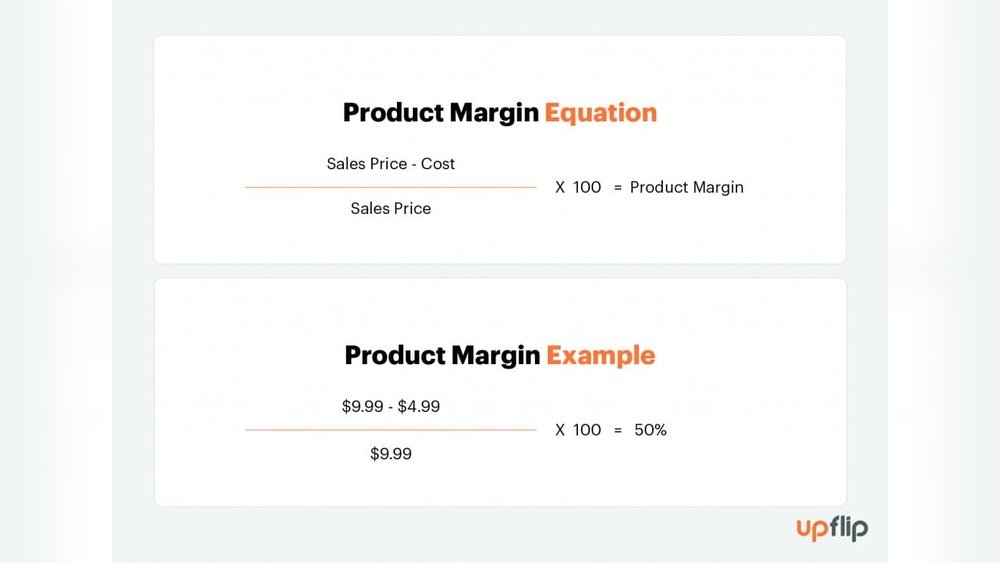
Now, use this formula: Profit Margin = (Selling Price – Cost of Goods Sold) ÷ Selling Price × 100. Subtract the COGS from the selling price to get profit. Divide profit by the selling price. Multiply by 100 to get the percentage. This percentage shows your profit margin on the product.
Types Of Profit Margins
Understanding profit margins helps you see how well a product performs. Profit margins show how much money stays after costs are paid. Different types of profit margins give different views of profit. Knowing each type helps you make better business choices.
Gross Profit Margin
Gross profit margin shows profit after subtracting only the cost of making the product. It does not include other expenses like rent or salaries. This margin tells you how good your product is at covering its direct costs. A higher gross profit margin means the product earns more money from sales.
Net Profit Margin
Net profit margin shows profit after all expenses are paid. This includes costs like marketing, rent, and taxes. It gives a full picture of how much money the product actually makes. A higher net profit margin means the product is more profitable overall.
Common Mistakes To Avoid
Calculating profit margin on a product seems simple. Yet many make mistakes that lead to wrong results. These errors can affect pricing and profits. Avoiding them helps you set better prices and understand your business better. Below are common mistakes to watch out for.
Ignoring All Costs
Only counting product cost is a big error. You must include shipping, packaging, and labor costs. Overhead costs like rent and utilities matter too. Leaving these out makes your profit margin look bigger than it really is.
Mixing Up Gross And Net Profit Margin
Gross profit margin is different from net profit margin. Gross margin only counts direct costs. Net margin includes all expenses. Using these terms wrongly causes confusion. Know which margin you need before calculating.
Using Inconsistent Units
Calculations must use the same units for price and cost. If cost is per item, price should be too. Mixing units leads to wrong profit margin. Double-check units before doing math.
Not Updating Costs Regularly
Costs change over time. Raw material prices or labor fees can go up. Old cost data gives false profit margins. Keep costs updated for accurate calculations.
Forgetting To Account For Discounts And Returns
Discounts and returns reduce your actual income. Ignoring them inflates profit margin. Subtract these amounts before calculating for a real picture.
Improving Your Profit Margin
Improving your profit margin means making more money from each product sold. It helps your business grow and stay strong. Small changes can make a big difference in profit.
Focus on cost control and smart pricing. Find ways to lower expenses and increase sales prices without losing customers. This balance improves your profit margin steadily.
Reduce Production Costs
Check all costs involved in making your product. Look for cheaper materials that do not lower quality. Negotiate better deals with suppliers. Use efficient machines or methods to save time and money.
Increase Product Price Wisely
Set a price that customers find fair. Test different prices in small steps. Highlight the value and benefits of your product. Higher prices can lead to better profit if customers accept them.
Improve Sales Volume
Sell more products to increase total profit. Use promotions and offers to attract buyers. Expand your market by reaching new customers. More sales spread fixed costs and boost profit margin.
Cut Unnecessary Expenses
Review all business expenses regularly. Eliminate costs that do not add value. Use energy-efficient tools and reduce waste. Lower expenses directly increase your profit margin.
Frequently Asked Questions
What Is Profit Margin In Product Sales?
Profit margin is the percentage of revenue left after subtracting product costs. It shows how much profit you make per sale. High profit margins mean better profitability and business sustainability. Calculating it helps set prices and manage expenses effectively.
How Do You Calculate Gross Profit Margin?
Gross profit margin is calculated by subtracting the product cost from sales revenue, then dividing by sales revenue. Multiply the result by 100 to get a percentage. This metric shows how efficiently a product generates profit before other expenses.
Why Is Profit Margin Important For Pricing Products?
Profit margin helps businesses set competitive prices while ensuring profitability. It guides pricing strategies to cover costs and earn profits. Without knowing profit margins, businesses risk underpricing or overpricing products, affecting sales and sustainability.
Can Profit Margin Vary Between Products?
Yes, profit margins vary by product type, cost, and market demand. Some products have higher margins due to lower costs or premium pricing. Understanding each product’s margin helps optimize your product mix and maximize overall profits.
Conclusion
Calculating profit margin helps you see how much money you earn from sales. It shows if your product makes enough profit to cover costs. Use simple formulas to find your profit margin fast. Knowing this number helps you set better prices and control expenses.
Keep checking your profit margin to improve your business. Clear numbers mean smarter choices. Profit margin is key to business success and growth. Start using this method today for better results.

About the Author
Oliver K.G.
Oliver K.G. has 8+ years in pricing strategy and has helped 200+ Amazon FBA sellers, dropshippers, and small business owners optimise their profit margins. He built BizMargin to make gross margin and pricing calculations instant and free. He writes on pricing strategy, gross margin optimisation, and profitability for e-commerce and retail businesses.