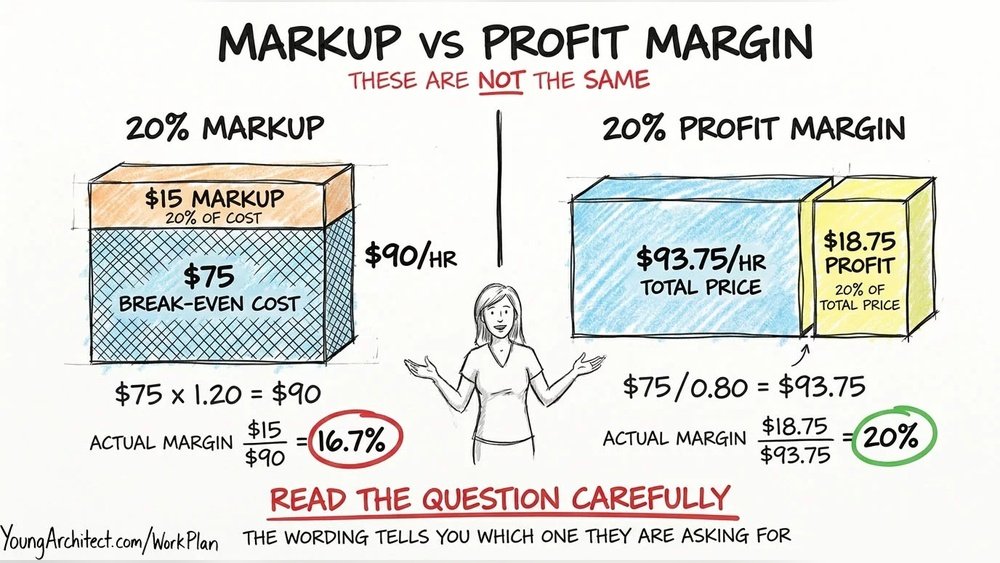

Have you ever confused markup percentage with profit margin? You’re not alone.
Many people think they mean the same thing, but mixing them up can cost you money and lead to bad business decisions. Understanding the difference is key to pricing your products right and keeping your profits healthy. You’ll discover why markup percentage is not profit margin and how knowing this can help you grow your business smarter.
Keep reading—you’ll want to get this right from the start.
Markup Percentage Basics
Markup percentage is a key term in business pricing. It shows how much more a product sells for over its cost. Many confuse markup with profit margin, but they are not the same. Understanding markup helps set prices correctly and avoid losses.
This section explains the basics of markup percentage. It covers how to calculate it and where it is commonly used. Clear knowledge of markup supports better business decisions.
Calculating Markup
Markup is the difference between selling price and cost price. You find it by subtracting cost from selling price. Then, divide this difference by the cost price. Multiply the result by 100 to get the percentage.
For example, if a product costs $50 and sells for $70, the markup is $20. Divide 20 by 50, which is 0.4. Multiply by 100, so the markup is 40%.
Common Uses Of Markup
Markup helps businesses set prices that cover costs and earn profit. Retail stores use markup to decide product prices. It also helps in budgeting and forecasting profits.
Markup is useful in industries like manufacturing, wholesale, and services. It guides owners on how much to add to costs. This ensures prices stay competitive and profitable.
Profit Margin Essentials
Profit margin is a key number for any business. It shows how much money stays after costs. Many confuse markup percentage with profit margin. They are not the same. Understanding profit margin helps make better decisions. It shows true business health and success.
Knowing profit margin basics helps avoid mistakes in pricing and budgeting. It keeps business goals clear and realistic.
Calculating Profit Margin
Profit margin equals net profit divided by revenue. Net profit means money left after all expenses. Revenue is total sales income. Multiply the result by 100 to get a percentage. For example, if revenue is $100 and profit is $20, the profit margin is 20%.
This percentage shows how much profit you earn from each dollar of sales. It is simple and clear.
Importance In Business
Profit margin tells if a business is making money or losing it. It helps compare performance over time. Businesses use it to set prices and control costs. A healthy margin means the business can grow and invest. Low margins warn of problems like high costs or low prices.
Investors and lenders also check profit margin. It shows if a business is worth support. Strong profit margins build confidence and stability.
Key Differences Between Markup And Profit Margin
Markup percentage and profit margin often confuse many business owners. Both relate to costs and selling price but measure different things. Understanding their key differences helps in pricing products correctly. This section explains how markup and profit margin differ in calculation and impact on pricing.
Calculation Methods
Markup is the amount added to the cost price to set the selling price. It shows how much over cost you charge customers.
Markup percentage = (Selling Price – Cost) ÷ Cost × 100.
Profit margin shows what part of the selling price is profit. It focuses on sales revenue, not cost.
Profit margin percentage = (Selling Price – Cost) ÷ Selling Price × 100.
Markup uses cost as the base. Profit margin uses selling price as the base. This difference changes the final percentage.
Impact On Pricing Strategies
Markup helps decide the selling price from cost. It ensures costs are covered and profit is added.
Profit margin helps measure profit against sales. It shows business profitability after pricing.
Using markup alone may give a false sense of profit. Profit margin reveals actual profit level from sales.
Pricing based on markup may lead to lower profit margins if costs change. Profit margin focuses on target profit from the price.
Knowing both helps set prices that cover costs and meet profit goals. They guide smart pricing decisions in business.
Misconceptions And Common Mistakes
Many business owners mix up markup percentage and profit margin. This confusion causes wrong price setting and poor business decisions. Understanding the difference is key to managing profits well. Common mistakes around these terms can cost money and time. Clear knowledge helps avoid errors and improves financial health.
Confusing Markup With Profit Margin
Markup shows how much you add to the cost price. Profit margin shows how much profit you make from sales. Both use percentages but mean different things. Markup is based on cost, margin is based on sales price. Mixing them leads to pricing products too high or low. This mistake affects your sales and profits directly.
Consequences Of Misinterpretation
Wrong pricing can scare customers or reduce profits. Businesses might think they earn more than they do. This false view causes poor budgeting and spending. It can also lead to stock issues and cash flow problems. Understanding markup and margin stops these costly mistakes early.
Practical Examples
Understanding the difference between markup percentage and profit margin becomes clearer with practical examples. These examples show how businesses set prices and calculate profits. They help avoid confusion and make better financial choices.
Markup Vs. Profit Margin In Retail
A store buys a jacket for $40. It sells the jacket for $60.
The markup is the increase from cost to price. Here, markup is $20 on $40 cost. This means a 50% markup.
The profit margin is profit divided by the selling price. The profit is $20. So, the profit margin is 33.3%.
Markup and profit margin are different. Markup compares profit to cost. Profit margin compares profit to sales.
Effect On Financial Decisions
Choosing markup or profit margin affects pricing strategies. A 50% markup does not mean a 50% profit margin.
Using markup alone may cause pricing errors. Businesses might set prices too low or too high.
Profit margin helps measure actual profit from sales. It is better for tracking business health.
Clear understanding helps in budgeting and cost control. It also aids in setting realistic sales goals.
Choosing The Right Metric For Your Business
Choosing the right metric helps your business track money well. Markup and profit margin both show money, but they mean different things. Using the right one matters for clear financial decisions.
Each metric tells a different story about your costs and earnings. Knowing when to use markup or profit margin can improve your pricing and profits.
When To Use Markup
Markup shows how much you add to the cost of a product. Use markup when setting prices based on cost. It helps cover expenses and plan profits.
Markup works well for businesses that buy items to sell. It keeps pricing simple and easy to calculate. This metric focuses on adding a percentage over cost price.
When To Focus On Profit Margin
Profit margin shows how much money you keep after costs. Use profit margin to see overall business health. It reflects true earnings from sales.
This metric suits businesses tracking profits across many products. It helps compare performance and control expenses. Profit margin measures success beyond just pricing.
Frequently Asked Questions
What Is The Difference Between Markup And Profit Margin?
Markup is the percentage added to cost price to set the selling price. Profit margin is the percentage of selling price that is profit. They measure different things and cannot be used interchangeably.
How Do You Calculate Markup Percentage Correctly?
Markup percentage is calculated by dividing profit by the cost price, then multiplying by 100. Formula: (Profit ÷ Cost) × 100. It shows how much price increases over cost.
Why Is Profit Margin More Important Than Markup?
Profit margin reflects actual profitability relative to sales. It shows what portion of revenue is profit. Markup only shows price increase, not true profit.
Can Markup Percentage Equal Profit Margin?
Markup percentage rarely equals profit margin because they use different bases. Markup uses cost price, profit margin uses selling price. Confusing them leads to pricing errors.
Conclusion
Markup percentage shows how much you add to the cost. Profit margin tells how much you keep after selling. Confusing these two can lead to wrong business choices. Knowing the difference helps you price products right. It also helps you understand your real earnings better.
Always check both numbers before making decisions. This way, your business stays healthy and clear. Simple math, big impact. Keep learning and watch your profits grow.

About the Author
Oliver K.G.
Oliver K.G. has 8+ years in pricing strategy and has helped 200+ Amazon FBA sellers, dropshippers, and small business owners optimise their profit margins. He built BizMargin to make gross margin and pricing calculations instant and free. He writes on pricing strategy, gross margin optimisation, and profitability for e-commerce and retail businesses.