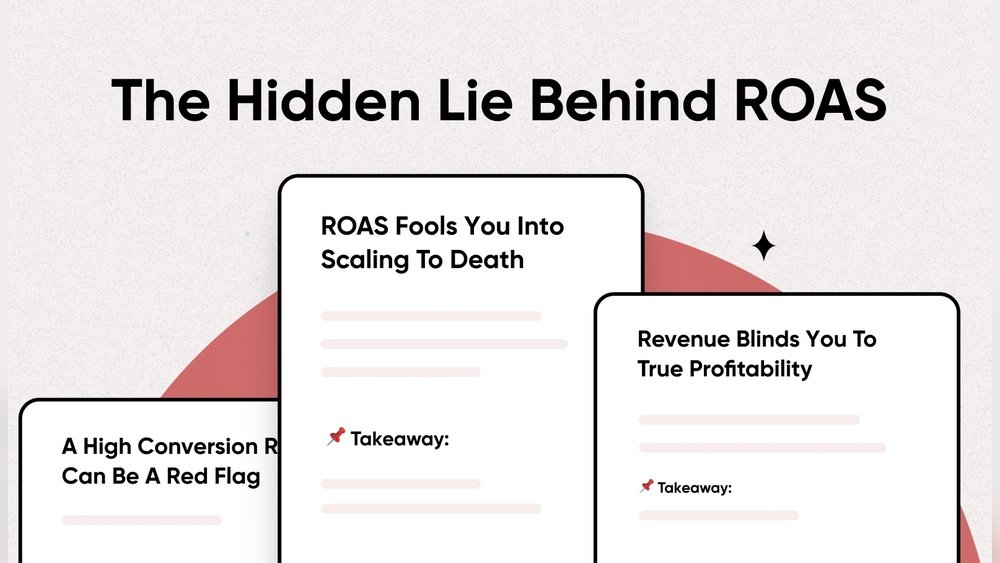
You might think that a high ROAS (Return on Ad Spend) means your business is booming. But what if I told you that ROAS could be hiding serious problems you don’t see?
Many business owners fall into this trap without realizing it. It’s easy to get fooled by shiny numbers and feel safe, while your profits quietly slip away. If you want to protect your business and make smarter decisions, you need to uncover the hidden lies behind ROAS.
Keep reading, because what you learn here could save your business from a costly mistake.
The Illusion Of Roas
Return on Ad Spend (ROAS) seems simple. Spend $1, get $4 back. Sounds great, right? Many business owners rely only on ROAS to measure success. This can create a false sense of security. The truth is, ROAS hides many risks. It does not show the full picture of your business health.
ROAS focuses only on direct sales linked to ads. It ignores costs, long-term value, and customer behavior. This narrow view can lead to poor decisions. Understanding the illusion of ROAS helps avoid costly traps.
Why Roas Can Be Misleading
ROAS measures revenue divided by ad cost. It ignores other expenses like product cost, shipping, or salaries. A high ROAS might look good but still lead to losses. Businesses can spend too much on ads without profit. ROAS alone cannot tell if the business is healthy.
The Missing Costs Behind Roas
Many costs hide behind the scenes. Inventory, packaging, and returns reduce profit. ROAS does not consider these expenses. These missing costs can turn a high ROAS into a loss. Counting all costs gives a clearer profit picture.
How Roas Ignores Customer Lifetime Value
ROAS only tracks immediate sales from ads. It ignores repeat customers and long-term loyalty. A customer might buy once or many times. Long-term value is critical for business growth. Ignoring this can make ROAS appear better than it is.
The Danger Of Chasing High Roas
Chasing a high ROAS can limit marketing efforts. It can stop you from investing in brand building or new customers. This narrow focus may hurt growth and future sales. Balanced marketing strategies work better than just chasing ROAS.
Common Roas Pitfalls
Return on Ad Spend (ROAS) looks simple but hides many traps. Many business owners trust it blindly. This trust can lead to costly mistakes. Understanding common ROAS pitfalls helps avoid these errors. It guides smarter decisions and better strategies.
Misleading Averages
ROAS often shows an average number. This average hides poor and great results behind it. A few strong sales can lift the overall ROAS. Meanwhile, many ads may perform badly. Relying on averages can give a false sense of success.
Ignoring Profit Margins
High ROAS does not always mean profit. It only compares revenue to ad spend. If product costs are high, profits shrink. A campaign may have good ROAS but still lose money. Always check profit margins alongside ROAS.
Overlooking Customer Lifetime Value
ROAS measures immediate returns only. It does not include future sales from the same customer. Loyal customers often bring more value over time. Ignoring this factor can make campaigns look worse than they are. Consider lifetime value for a full picture.
Not Adjusting For Channel Differences
Different advertising channels have different ROAS standards. A good ROAS on one channel may be poor on another. Comparing these numbers directly can mislead decisions. Understand each channel’s context before judging performance.
Focusing Only On Short-term Results
ROAS tracks short-term gains. Some campaigns need time to grow and show value. Cutting budgets too soon may harm long-term growth. Patience matters. Evaluate ROAS over different time frames for better insight.
Why Roas Can Mislead Your Strategy
ROAS, or Return on Ad Spend, looks simple and clear. It shows how much money you earn for each dollar spent on ads. Many business owners trust this number to make big decisions. This trust can lead to mistakes. ROAS does not tell the full story. It can hide problems and risks in your marketing plan.
Understanding why ROAS can mislead your strategy helps you avoid costly errors. It pushes you to see beyond the surface. Let’s explore the key reasons ROAS might trick your business view.
Roas Ignores Overall Profit
ROAS only measures revenue, not actual profit. High ROAS may come with high costs elsewhere. Expenses like product costs, staff wages, and shipping reduce your true earnings. Focusing on ROAS alone can hide these losses. This creates a false sense of success.
Short-term Focus Limits Long-term Growth
ROAS tracks immediate returns from ads. It misses the value of future customers. Some ads build brand trust slowly. These ads may show low ROAS now. Cutting them harms your business in the long run. A narrow focus on quick wins blocks steady growth.
High Roas Does Not Equal High Volume
Ads with high ROAS may sell fewer products. This limits total sales and market reach. Sometimes, ads with lower ROAS bring in more customers. These ads help increase brand awareness and repeat buyers. Judging ads only by ROAS can stop you from scaling up.
Attribution Models Can Distort Roas
ROAS depends on how sales are credited to ads. Different attribution models change results. Last-click models ignore earlier ad touches. This can undervalue some campaigns. Wrong attribution creates a misleading picture of performance.
Ignoring Customer Lifetime Value (clv)
ROAS does not factor in customer lifetime value. Some customers spend more over time. Ads that attract high-CLV customers may look weak by ROAS standards. Ignoring CLV causes poor marketing choices. Your strategy should include both ROAS and CLV.
Alternatives To Roas Metrics
ROAS, or Return on Ad Spend, often feels like the main number to watch. It shows how much money comes back for every dollar spent on ads. Yet, it can hide problems and give a wrong view of success. Other metrics can give clearer, fuller pictures of how a business really does. These alternatives help find real growth and value beyond simple ROAS numbers.
Customer Lifetime Value (clv)
CLV measures the total money a customer brings over time. It looks past one sale to long-term profit. A high CLV means customers keep buying and stay loyal. This metric helps focus on keeping customers, not just quick wins.
Cost Per Acquisition (cpa)
CPA tracks how much money it takes to get one new customer. It shows the real cost of growth. Lower CPA means you spend less to gain new buyers. This helps control budgets and find efficient marketing paths.
Conversion Rate
This metric shows the percentage of visitors who take action. Actions can be buying, signing up, or contacting. A high conversion rate means your marketing works well. It helps improve the website and ads to turn more visitors into customers.
Gross Profit Margin
Gross profit margin shows money left after costs. It tells how much profit you make from sales before other expenses. This metric helps see if sales bring real value or just volume. A healthy margin means a strong business model.
Engagement Metrics
Engagement tracks how people interact with your content. Likes, shares, comments, and time spent all count. High engagement means your message connects well. It builds brand trust and can lead to more sales over time.
Real Business Impact Beyond Roas
ROAS (Return on Ad Spend) shows how much money your ads make. Many businesses trust it to judge success. But ROAS alone does not tell the full story. It misses many important parts of your business health.
Understanding the real impact means looking beyond just numbers. Your business needs more than good ad returns. It needs steady growth and strong customer trust. These things do not always show up in ROAS.
Understanding Profit Margins Versus Roas
ROAS measures revenue, not profit. High ROAS can hide low profits. Ads may bring sales but cost too much. Your real profit might be very low or negative. Watch your costs carefully, not just revenue.
Customer Lifetime Value Matters More
ROAS looks at short-term gains. Long-term customer value is ignored. Loyal customers buy again and again. They bring more money over time. Focus on keeping customers, not just quick sales.
Brand Reputation And Trust Impact Sales
Good ads can damage your brand. Misleading ads may increase ROAS but hurt reputation. Customers may not return after bad experiences. Brand trust builds steady sales over time. Protect your brand for real growth.
Ignoring Operational Costs Risks Business Health
ROAS does not include all costs. Shipping, staff, and support matter too. High ROAS with high costs can cause losses. Check all business expenses, not just ads. Balance marketing with overall spending.
Market Changes Affect Roas Stability
ROAS can change with market shifts. Competitors, trends, and seasons affect results. A good ROAS today may fall tomorrow. Prepare for changes by diversifying strategies. Keep your business stable beyond ads.
Steps To Avoid The Roas Trap
Steps to avoid the ROAS trap help protect your business from hidden losses. ROAS looks simple but hides many risks. Understanding these steps keeps your marketing smart and safe.
Focus on clear goals beyond just ROAS. Track real profits, not only ad returns. This approach prevents wrong decisions based on false data.
Analyze Total Customer Value, Not Just Immediate Roas
Look at how much each customer spends over time. High ROAS today may not mean loyal customers tomorrow. Measure lifetime value to see true success.
Use Multiple Metrics To Evaluate Campaigns
Combine ROAS with other metrics like cost per acquisition and retention rate. This gives a full picture of your marketing health. Avoid relying on ROAS alone.
Set Realistic Expectations For Your Advertising
Understand your industry standards and business model. ROAS varies by product type and sales cycle. Avoid comparing your numbers with unrelated businesses.
Test And Adjust Campaigns Regularly
Run small tests before scaling ad spend. Check results beyond ROAS. Adjust strategies based on customer behavior and profit margins.
Focus On Profit, Not Just Revenue
Calculate all costs, including ad spend and product expenses. Profit shows the real impact of your ads. High ROAS with low profit is risky.
Frequently Asked Questions
What Is Roas And Why Is It Misleading?
ROAS measures revenue per ad dollar spent but ignores profit margins. It can hide high costs or low customer value. Focusing only on ROAS may lead to poor business decisions and overlooked expenses, making it a dangerous trap for sustainable growth.
How Can Roas Harm Your Business Strategy?
Relying solely on ROAS can cause overspending on ineffective ads. It ignores overall profitability and long-term customer value. This narrow focus risks reducing your business’s true growth potential and profitability by prioritizing short-term revenue over sustainable results.
What Are Better Metrics Than Roas To Track?
Use metrics like Customer Lifetime Value (CLV), profit margins, and Return on Investment (ROI). These provide a clearer picture of actual business health. Combining these with ROAS ensures more balanced, data-driven decisions that support growth and profitability.
Why Do Businesses Fall Into The Roas Trap?
Businesses often chase quick wins and easy revenue indicators like ROAS. This shortsightedness ignores deeper financial insights and operational costs. The trap happens when companies prioritize surface-level success over long-term sustainability and profitability.
Conclusion
ROAS can hide serious problems in your business. Numbers may look good but miss real costs. Always check beyond the surface. Focus on profit, not just return. Avoid trusting ROAS alone for decisions. Use other metrics to get the full picture.
This helps you avoid costly mistakes. Stay aware and keep your business safe. Understanding these traps leads to smarter growth. Don’t let ROAS fool you again.

About the Author
Oliver K.G.
Oliver K.G. has 8+ years in pricing strategy and has helped 200+ Amazon FBA sellers, dropshippers, and small business owners optimise their profit margins. He built BizMargin to make gross margin and pricing calculations instant and free. He writes on pricing strategy, gross margin optimisation, and profitability for e-commerce and retail businesses.