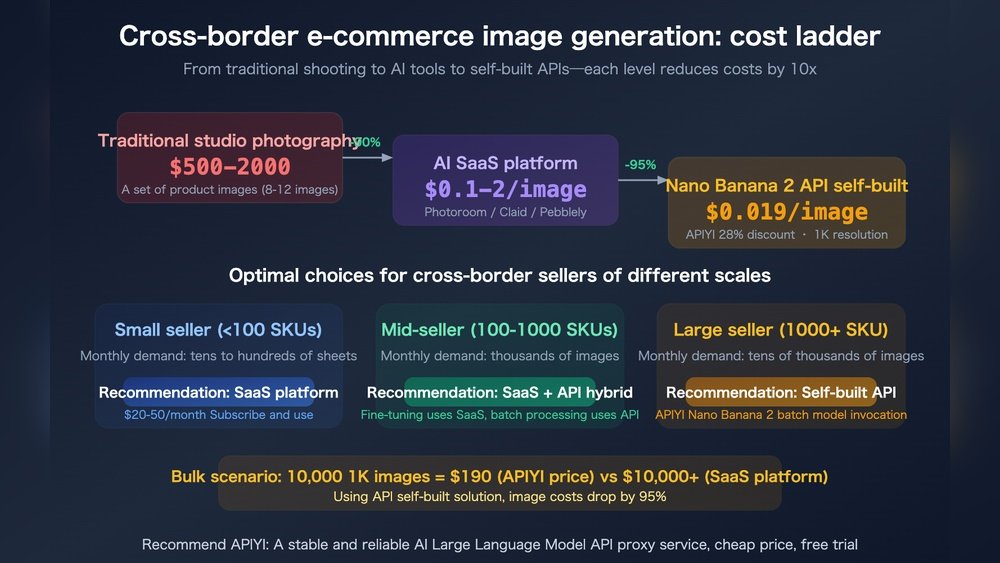
Selling products online is not easy. You need a good plan to attract buyers. One smart way is using a pricing ladder strategy. This method helps shops sell many products at different prices. It works well for e-commerce stores. In this article, we will learn what a pricing ladder is. We will see why it is useful. Also, we will find out how to use it step by step.
What Is a Pricing Ladder?
A pricing ladder is a way to offer products at many price points. Think of a ladder with steps. Each step is a price. Customers can choose the step that fits their budget. This idea helps you sell to more people. Some want cheap items. Others want better or more expensive products. A pricing ladder gives choices for all.
For example, a store sells t-shirts. The cheapest t-shirt costs $10. The next one costs $20. Then $30 and $40. Each step has better quality or more features. This way, the store can reach many customers.
Why Use a Pricing Ladder in E-Commerce?
A pricing ladder helps shops in many ways. Here are some reasons:
- Reach more buyers: Different prices suit different budgets.
- Increase sales: More choices mean more chances to sell.
- Show product options: Customers see what they get for each price.
- Build trust: Clear prices and options help customers decide.
- Encourage upgrades: Some buyers try cheap items first. Then they buy better ones later.
How to Create a Pricing Ladder for Your Online Store
Building a pricing ladder needs careful thought. You want prices that make sense. And products that match those prices. Here are steps to create your ladder:
1. Know Your Products Well
First, list all your products. Understand what makes each product special. Is it size, material, or features? Knowing this helps you group products by value.
2. Group Products By Quality Or Features
Put products into groups. Start with basic ones. Then add better ones. For example:
| Group | Product Type | Features |
|---|---|---|
| Step 1 | Basic | Simple, no extra features |
| Step 2 | Standard | More colors or sizes |
| Step 3 | Premium | Better materials or designs |
| Step 4 | Luxury | Highest quality and extras |
This helps buyers see choices clearly.
3. Set Prices For Each Step
Decide prices for each group. Make sure prices go up with quality. For example:
- Step 1: $10
- Step 2: $20
- Step 3: $35
- Step 4: $50
Prices should feel fair. Not too close and not too far apart.
4. Show The Ladder On Your Website
Make your pricing ladder easy to see. Use tables or lists. Show what each price includes. Use pictures if you can. This helps customers pick quickly.
5. Use Good Product Descriptions
Write short and clear descriptions for each product. Explain why a product costs more. Tell customers what extra they get. This helps them understand the value.
6. Offer Discounts Or Bundles At Higher Steps
You can add small discounts for bigger purchases. Or offer bundles with more products at higher steps. This makes buying bigger packages more attractive.
Examples of Pricing Ladder in E-Commerce
Many online stores use pricing ladders. Here are some easy examples:
1. Phone Cases
- Basic plastic case – $5
- Colorful case with designs – $10
- Shockproof case – $20
- Luxury leather case – $40
Customers can choose based on price and protection level.
2. Coffee Machines
- Simple coffee maker – $30
- Machine with timer – $60
- Machine with grinder – $100
- High-end espresso machine – $250
This helps buyers find what fits their needs and money.
Tips to Make Your Pricing Ladder Work Better
A pricing ladder is good, but you can improve it. Here are some tips:
- Keep prices clear: Avoid hidden fees or confusing costs.
- Update often: Change prices if needed based on sales.
- Listen to customers: Ask what they like or want.
- Use reviews: Show what buyers say about each product level.
- Test different prices: See which steps sell best.
Common Mistakes to Avoid
When using a pricing ladder, watch out for these errors:
- Too many steps: Too many options can confuse customers.
- Price gaps too small or large: Make sure steps feel balanced.
- Poor product difference: Each step must feel different.
- Ignoring customer needs: Offer what your market wants.
- Not explaining prices: Always tell why prices change.
How Pricing Ladder Helps Your Business Grow
Using a pricing ladder can help your online store grow. Here is how:
- More customers: Different prices attract more buyers.
- Higher sales: More choices lead to more purchases.
- Better customer trust: Clear prices build confidence.
- Easy upgrades: Customers can try cheap then buy better later.
- Improved profit: Selling expensive items increases earnings.
Final Thoughts
A pricing ladder is a smart way to sell online. It helps shops offer choices and clear prices. Customers like to pick what fits their money. Your store can sell more by using this plan. Remember to keep prices clear. Show differences in products well. And listen to your customers’ needs.
Start simple. Add more steps if needed. Watch how buyers react. Change prices if something does not work. This way, your pricing ladder will help your e-commerce store grow over time.
Frequently Asked Questions
What Is A Pricing Ladder In E-commerce?
A pricing ladder is a strategy that offers products at different price levels. It helps attract various customer groups by providing options. This approach increases chances of sales and customer satisfaction.
How Does A Pricing Ladder Benefit Online Stores?
It allows stores to reach more buyers with different budgets. Customers can choose products that fit their needs and price range. This leads to more sales and better customer experience.
What Products Work Best With A Pricing Ladder?
Products with clear differences in features or quality suit pricing ladders well. Examples include electronics, clothing, and subscription services. Offering basic, mid, and premium options is common.
How To Create Effective Price Steps In A Pricing Ladder?
Set clear and logical price gaps between each product level. Each step should offer added value or features. Avoid too many steps to keep choices simple for buyers.
Can Pricing Ladders Increase Customer Trust In E-commerce?
Yes, showing options builds trust by being transparent about choices. Customers feel they can find a product that fits them. This reduces hesitation and increases buying confidence.
What Mistakes To Avoid With Pricing Ladder Strategy?
Avoid unclear differences between price levels or too many confusing options. Don’t set prices too close or too far apart. Keep the ladder simple and easy to understand.

About the Author
Oliver K.G.
Oliver K.G. has 8+ years in pricing strategy and has helped 200+ Amazon FBA sellers, dropshippers, and small business owners optimise their profit margins. He built BizMargin to make gross margin and pricing calculations instant and free. He writes on pricing strategy, gross margin optimisation, and profitability for e-commerce and retail businesses.