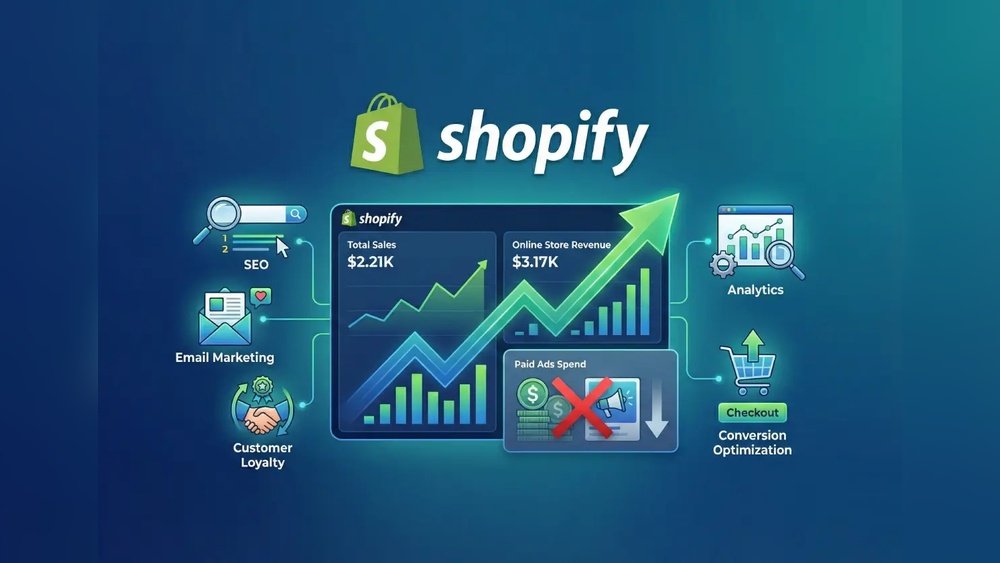
Are you struggling to get the most out of your Shopify store’s marketing budget? You’re not alone.
Every dollar you spend on marketing should bring you closer to more sales and higher profits. But how do you make sure your marketing spend actually works for you? This article will show you simple, powerful ways to optimize your marketing efforts.
By the end, you’ll know exactly how to boost your Shopify sales without wasting money. Ready to turn your marketing spend into real results? Let’s dive in.
Analyze Current Marketing Spend
Understanding your current marketing spend is the first step to improving Shopify sales. It helps identify where money goes and how each dollar works. Tracking this spending shows which campaigns bring sales and which do not.
Clear knowledge of expenses stops wasted budget and guides smarter choices. It also helps plan better for future marketing efforts. Careful analysis brings more profit from the same budget.
Gather All Marketing Expenses
Collect data on every marketing cost. Include ads, email tools, social media, and influencers. Don’t forget fees for design or content creation. This full view helps see the whole picture clearly.
Track Performance Of Each Channel
Check how each marketing channel performs. Measure clicks, sales, and customer actions. Compare costs to results. This shows which channels give the best return on investment.
Identify Low-performing Campaigns
Spot campaigns that spend a lot but bring few sales. These drain your budget without much gain. Cutting or fixing these campaigns saves money for better use.
Use Simple Tools For Tracking
Use easy software or spreadsheets to track spend and results. Many free or low-cost tools fit small Shopify stores. These tools help keep data organized and easy to understand.
Identify High-performing Channels
Identifying high-performing channels is key to boosting Shopify sales. It helps you spend marketing budget wisely. Focus on channels that bring real results. This way, you avoid wasting money on poor performers.
Knowing which channels work best allows you to grow your store faster. Track where your customers come from. Study which ads or posts lead to sales. This helps you choose the right marketing paths.
Analyze Traffic Sources
Start by checking your website traffic sources. Use tools like Google Analytics or Shopify reports. See which channels send the most visitors. Note if visitors engage or leave quickly. High traffic with low engagement might not be valuable.
Measure Conversion Rates
Look beyond traffic numbers. Check how many visitors buy something. Conversion rates show the true power of a channel. A channel with fewer visitors but high conversions is valuable. Focus on channels that turn visitors into customers.
Compare Cost Per Acquisition
Calculate how much you spend to get one customer. Different channels have different costs. Lower cost per acquisition means better marketing spend. Adjust your budget to favor channels with lower costs. This increases your sales without extra spending.
Use Customer Feedback
Ask customers how they found your store. Their answers reveal which channels work well. Feedback helps spot channels you may miss in data reports. Combine feedback with analytics for clearer insights.
Leverage Customer Segmentation
Customer segmentation helps Shopify store owners spend marketing money wisely. It divides customers into groups based on behavior, preferences, or buying habits. This way, marketing messages reach the right people at the right time. Targeted campaigns lead to better sales and less wasted budget.
Segmentation creates clear customer profiles. Store owners understand who buys what and when. This knowledge helps craft offers that appeal to each group. It improves customer experience and encourages repeat purchases.
Identify Key Customer Segments
Start by grouping customers using data like purchase history and location. Find patterns in how often they shop and what they buy. Separate new buyers from loyal customers. This step sets the foundation for focused marketing efforts.
Create Personalized Marketing Messages
Use the segments to tailor ads and emails. Speak directly to the needs and interests of each group. Personal messages build trust and increase the chance of a sale. Avoid generic content that may not connect with everyone.
Allocate Budget Based On Segment Value
Spend more on high-value segments that bring steady sales. Reduce costs on groups that rarely convert. This approach ensures each dollar supports segments with the best return. It keeps marketing costs efficient and effective.
Monitor And Adjust Segments Regularly
Customer behavior changes over time. Check segments often to keep them accurate. Update groups based on new data or trends. Continuous improvement keeps marketing spend aligned with customer needs.
Implement Data-driven Ad Campaigns
Implementing data-driven ad campaigns helps you spend marketing budget wisely. It uses real numbers to guide decisions. This approach targets the right customers and improves sales results.
Data-driven campaigns reduce guesswork. You understand which ads work best. This leads to better return on investment (ROI). Spending less on poor ads saves money and boosts profits.
Collect And Analyze Customer Data
Start by gathering data from your store and ads. Look at customer behavior and purchase history. Use tools like Google Analytics or Shopify reports. Analyze which products sell well and who buys them. This data shapes your ad strategy.
Create Targeted Ad Groups
Divide your audience into smaller groups based on data. Target ads to specific interests, locations, or behaviors. Personalized ads get more clicks and sales. Focus your budget on the groups most likely to buy.
Test Ads And Track Performance
Run multiple versions of your ads to see which performs best. Test different images, texts, and calls to action. Track clicks, conversions, and costs. Stop ads that don’t perform well and invest more in winners.
Adjust Campaigns Based On Data
Regularly review campaign results. Use data to improve your ads and targeting. Adjust bids and budgets to maximize sales. Data-driven changes keep your marketing spend efficient and effective.
Optimize Budget Allocation
Optimizing budget allocation helps you get the most from your marketing spend. It means putting money into the right channels to boost Shopify sales. Smart budget allocation avoids waste and brings better returns.
Careful planning and tracking improve how you spend your marketing budget. Focus on what works and cut down on what doesn’t. This approach helps grow your store steadily.
Analyze Past Campaign Performance
Check how past marketing campaigns performed. Look at sales, clicks, and engagement. Find which campaigns brought the most customers. Use this data to guide future spending.
Focus On High-performing Channels
Spend more on channels that show good results. For example, social media ads or email marketing. Reduce budget on low-performing channels. This improves overall marketing efficiency.
Set Clear Goals For Each Channel
Define what you want to achieve with each channel. Goals can be sales, leads, or brand awareness. Clear goals help allocate the right budget. They keep your marketing focused and effective.
Use Data To Adjust Budgets Regularly
Review your budget and results often. Use real data to make changes. Move money to channels that perform better. This keeps your spending flexible and smart.
Test Small Budgets Before Scaling
Start with small budgets for new channels or campaigns. See how they perform before spending more. Testing helps avoid big losses. It makes your budget safer and smarter.
Measure Roi And Adjust Strategies
Measuring return on investment (ROI) is key to smart marketing. It shows which campaigns bring real sales and which waste money. Adjusting your strategies based on these numbers keeps your budget effective and focused.
Knowing your ROI helps you spend money wisely. It stops you from wasting cash on ads that do not sell. This keeps your Shopify store profitable and growing.
Tracking Key Metrics
Focus on metrics like cost per acquisition, conversion rate, and average order value. These numbers reveal how well your ads turn clicks into sales. Use tools like Google Analytics or Shopify reports to gather data. Clear numbers make decisions easier and faster.
Analyzing Campaign Performance
Compare different campaigns by checking their ROI side by side. Find which ads bring the highest sales for the lowest cost. Stop or fix campaigns that lose money. Put more budget into ads that work well.
Making Data-driven Adjustments
Use your data to change your marketing plan. Increase spending on successful ads. Cut costs on low-performing ones. Test new ideas but watch their results closely. Small changes can make a big difference.
Frequently Asked Questions
How Can I Optimize Marketing Spend For Shopify Sales?
To optimize marketing spend, track campaign performance closely and focus on high-ROI channels. Use data analytics to reduce waste and invest in strategies that drive conversions and customer retention.
What Marketing Channels Boost Shopify Sales Effectively?
Effective channels include social media ads, email marketing, and Google Ads. Influencer partnerships and retargeting campaigns also help increase traffic and sales on Shopify stores.
Why Is Tracking Roi Important For Marketing Spend?
Tracking ROI helps identify which campaigns generate profits. It ensures budget is allocated efficiently, maximizing sales while minimizing unnecessary expenses on underperforming ads.
How Does Customer Segmentation Improve Marketing Spend?
Customer segmentation tailors marketing messages to specific groups. It increases engagement and conversion rates by targeting audiences with relevant offers and content.
Conclusion
Optimizing your marketing spend can boost Shopify sales effectively. Focus on channels that bring the best results. Track your spending and sales to see what works. Adjust your budget based on data, not guesswork. Small changes can lead to better returns.
Keep testing new ideas and strategies regularly. Smart spending helps grow your store steadily. Stay patient and consistent with your efforts. Success comes from careful planning and smart moves.

About the Author
Oliver K.G.
Oliver K.G. has 8+ years in pricing strategy and has helped 200+ Amazon FBA sellers, dropshippers, and small business owners optimise their profit margins. He built BizMargin to make gross margin and pricing calculations instant and free. He writes on pricing strategy, gross margin optimisation, and profitability for e-commerce and retail businesses.