Want to know exactly how much money you make from each product you sell? Understanding how to calculate profit per unit can change the way you run your business.
It helps you price your items right, spot where you’re losing money, and make smarter decisions that boost your earnings. You’ll learn a simple, step-by-step method to figure out your profit per unit—no complicated math or confusing jargon. Keep reading, and you’ll gain a clear edge in growing your business and maximizing your profits.
Basic Profit Concepts
Understanding profit starts with knowing some basic ideas. Profit shows how much money a business makes after paying all costs. It helps decide if a product or service is worth selling.
Profit per unit tells the profit earned from one item sold. It is important for pricing and planning. This section explains key concepts to calculate profit per unit.
What Is Revenue?
Revenue is the total money earned from sales. It comes from selling goods or services. The price customers pay per item adds up to the revenue.
Understanding Costs
Costs are the money spent to make or buy products. Two main types: fixed costs and variable costs. Fixed costs stay the same, like rent. Variable costs change with sales, like materials.
Gross Profit Explained
Gross profit is revenue minus variable costs. It shows money left to cover fixed costs. A higher gross profit means better earnings from sales.
Net Profit Basics
Net profit is what remains after all costs are paid. It includes fixed and variable costs. Net profit shows the true earnings of a business.
Why Profit Per Unit Matters
Profit per unit helps set prices and control costs. It shows how much money each item adds to profit. This helps businesses stay healthy and grow.
Key Cost Components
Understanding the key cost components is important to calculate profit per unit. Costs affect how much money you make on each product sold. Knowing these costs helps you price your product correctly and see where you can save money.
Fixed Costs
Fixed costs stay the same no matter how many units you make. Examples include rent, salaries, and insurance. These costs do not change with production volume. You pay them even if you produce zero units. To find fixed cost per unit, divide total fixed costs by total units made.
Variable Costs
Variable costs change with the number of units produced. These include materials, labor, and packaging for each product. The more units you make, the higher your variable costs. Calculate variable cost per unit by adding all costs directly linked to one unit.
Revenue Per Unit
Revenue per unit shows the money earned from selling one item. It is a key part of calculating profit per unit. Knowing this number helps you set prices and understand sales performance.
Revenue per unit is the selling price of a single product or service. This number tells how much money comes in before any costs are taken out.
How To Find Revenue Per Unit
Start with the total sales revenue. This is the total money from all product sales. Then, count how many units sold during the same time. Divide total revenue by total units sold. The result is revenue per unit.
Why Revenue Per Unit Matters
This number helps to see if prices cover costs. It also shows how much each sale adds to profit. Businesses use it to compare product performance. Higher revenue per unit means more income from each sale.
Examples Of Revenue Per Unit
Imagine you sold 500 shirts and earned $5,000. Divide $5,000 by 500 shirts. Revenue per unit equals $10 per shirt. This simple step gives clear insight into your sales.
Profit Per Unit Formula
Understanding the profit per unit formula helps you see how much money you make on each product sold. This number shows the difference between the selling price and the cost to make one item. Knowing this helps you set prices and manage your business better.
Calculating profit per unit is simple. You just subtract the cost from the price. This calculation gives you the profit earned from each unit sold. It is an important metric for small and large businesses alike.
What Is The Profit Per Unit Formula?
The profit per unit formula is:
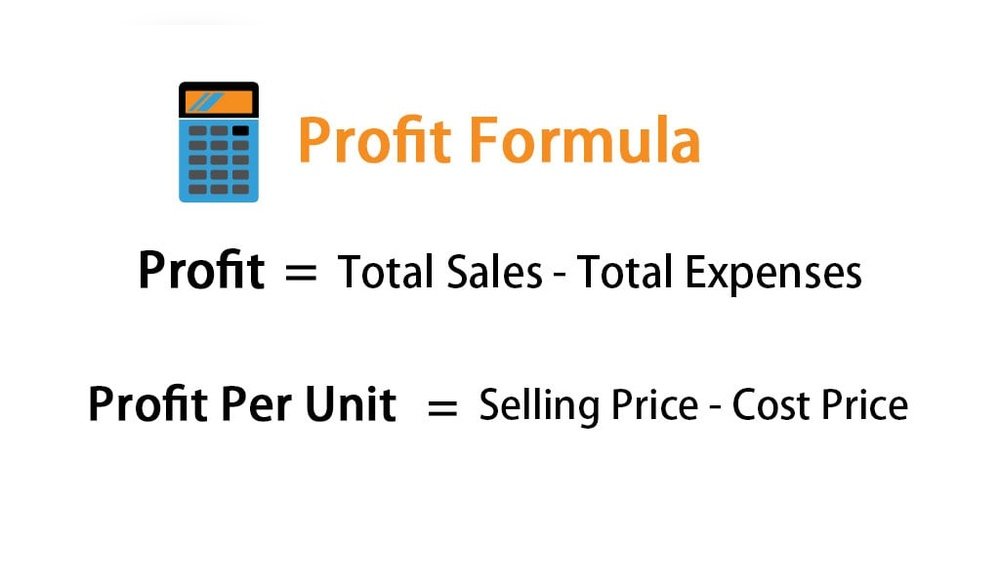
Profit Per Unit = Selling Price Per Unit – Cost Per Unit
The selling price per unit is the amount you sell one product for. The cost per unit is how much it costs to make or buy that product.
How To Calculate Selling Price Per Unit
Set a price that customers will pay. This price should cover costs and leave room for profit. Check competitors’ prices to stay fair. The selling price must attract buyers while making money.
How To Calculate Cost Per Unit
Cost per unit includes raw materials, labor, and overhead. Add all expenses needed to produce one unit. Divide total costs by the number of units made. This gives the cost per unit.
Example Of Profit Per Unit Calculation
Imagine you sell a toy for $20. It costs $12 to make. Subtract $12 from $20. The profit per unit is $8. This means you earn $8 for every toy sold.
Practical Calculation Steps
Calculating profit per unit helps you understand how much money you make on each product. It shows the difference between what you sell and what it costs you. This knowledge guides pricing and helps improve business decisions.
Follow clear steps to find your profit per unit. Each step focuses on simple math and basic data you can find easily. This makes the process quick and practical.
Calculate Total Revenue Per Unit
Start by identifying the selling price of one unit. This is the amount customers pay for a single product. Keep this figure ready as it forms the basis of your profit calculation.
Determine Cost Of Goods Sold (cogs) Per Unit
Find out the total cost to make or buy one unit. This includes raw materials, labor, and manufacturing costs. Knowing this helps you understand your expenses per product.
Subtract Cogs From Revenue
Take the selling price and subtract the cost per unit. The result is your gross profit per unit. This shows how much money you keep after covering the direct cost.
Account For Additional Expenses
Include other costs like packaging, shipping, and marketing per unit. Subtract these from the gross profit to get the net profit per unit. This step ensures you see the true profit.
Review And Adjust Regularly
Costs and prices change over time. Check your profit per unit often. Adjust prices or reduce costs to keep your profits healthy and your business growing.
Common Calculation Mistakes
Calculating profit per unit seems easy but many make mistakes. These errors can give wrong numbers. Wrong numbers lead to poor business choices.
Knowing common mistakes helps avoid them. It saves time and money. Below are typical errors to watch for.
Incorrect Cost Allocation
Some include only direct costs like materials and labor. They forget indirect costs such as rent or utilities. Ignoring these raises profit estimates falsely.
Mixing Fixed And Variable Costs
Fixed costs stay the same no matter the units sold. Variable costs change with production volume. Mixing them confuses the real cost per unit.
Using Sales Price Instead Of Revenue
Profit per unit requires revenue after discounts and returns. Using the list price without adjustments inflates profits. Always use actual revenue earned.
Ignoring Overhead Expenses
Overhead includes expenses like salaries, marketing, and equipment. Leaving these out makes the profit seem higher. Include all overhead for accuracy.
Failing To Update Costs Regularly
Costs change over time due to inflation or supply issues. Using old data gives wrong profit figures. Update cost data often to stay correct.
Frequently Asked Questions
What Is Profit Per Unit In Business?
Profit per unit is the earnings made from selling one product. It shows how much money remains after subtracting costs from sales price. This metric helps businesses understand product profitability and pricing strategies efficiently.
How Do You Calculate Profit Per Unit?
To calculate profit per unit, subtract the cost per unit from the selling price per unit. The formula is: Profit per Unit = Selling Price – Cost Price. This helps measure how much profit each product sold generates.
Why Is Profit Per Unit Important?
Profit per unit helps businesses identify which products are most profitable. It aids in pricing decisions and cost control. Understanding this metric improves overall business profitability and helps allocate resources wisely.
How Does Cost Affect Profit Per Unit?
Higher costs reduce profit per unit, lowering overall earnings. Managing and minimizing costs increases profit per unit. Keeping costs in check is crucial for maintaining healthy profit margins.
Conclusion
Calculating profit per unit helps you see how much money you earn from each sale. It guides better pricing and cost decisions. Keep track of your costs and sales regularly. This simple step improves your business understanding. Use this method often to stay on top of profits.
Small changes can make a big difference in your earnings. Profit per unit shows where you can save or grow. Start using this calculation today and watch your business improve.

About the Author
Oliver K.G.
Oliver K.G. has 8+ years in pricing strategy and has helped 200+ Amazon FBA sellers, dropshippers, and small business owners optimise their profit margins. He built BizMargin to make gross margin and pricing calculations instant and free. He writes on pricing strategy, gross margin optimisation, and profitability for e-commerce and retail businesses.