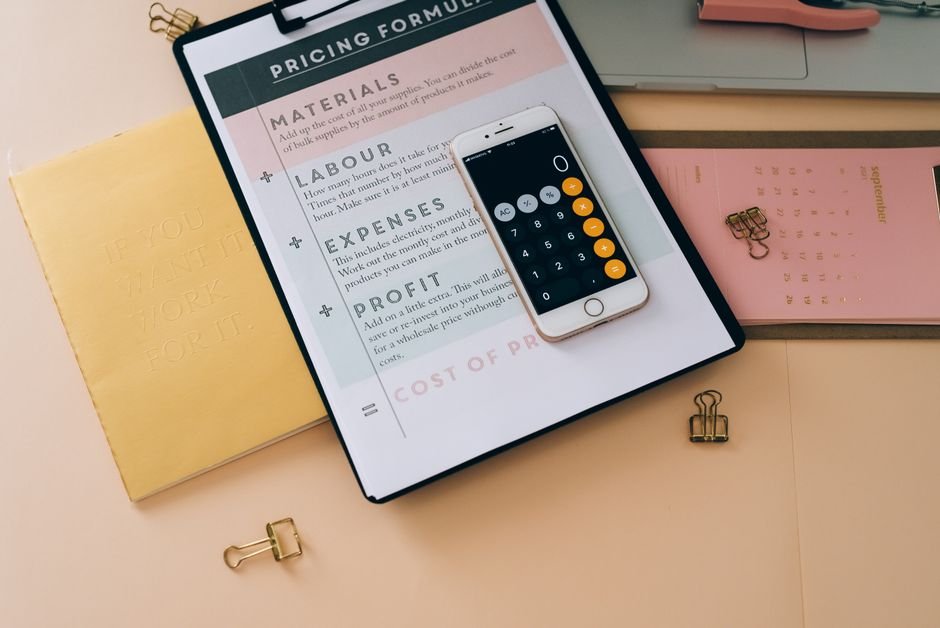
Why Your Pricing Strategy Isn’t Delivering Profit — And How to Fix It in 3 Steps
Most small business owners price their products based on what competitors charge, what feels right, or what their supplier recommends. None of these approaches guarantee profit.
The result? You’re busy, orders are coming in, revenue looks healthy — but your bank account stays flat. This isn’t a sales problem. It’s a pricing and margin problem.
According to McKinsey, a 1% improvement in price results in an average 11% improvement in operating profit. Yet 60% of small business owners have never calculated their break-even point, let alone optimized their pricing strategy around profit margins.
TL;DR
- Most businesses underprice by 15–25% simply because they don’t know their true costs and margins.
- Your pricing strategy should be built on gross margin targets, not competitor prices or gut feeling.
- Using a margin calculator to track weekly metrics makes you 2.3x more likely to hit annual profit targets.
The Hidden Cost of Wrong Pricing
A Deloitte study found that a 5% reduction in cost of goods sold (COGS) increases gross margin by an average of 8 percentage points. But here’s the flip side: if you don’t know your margins, you can’t optimize them.
According to SCORE research, overhead costs consume 35% of revenue for average small businesses — but only 18% for top performers. The difference isn’t luck. It’s measurement.
When you price without data, you’re leaving 15–25% of potential profit on the table. For a $100,000-a-year e-commerce business with a 25% gross margin, that’s $15,000–$25,000 in lost annual profit.
Strategy 1: Map Your True Unit Economics
The Foundation: Know Every Cost
Before you touch your pricing, list every cost associated with selling one unit:
- Product Cost: What you pay your supplier or manufacturer.
- Fulfillment: Shipping, packaging, storage (for FBA sellers, this is the big one).
- Payment Processing: Stripe, PayPal, Square fees — typically 2.9% to 3.5% of revenue.
- Marketplace Fees: Amazon commission (15%), Shopify percentage, eBay insertion fees, etc.
- Ad Spend (if applicable): Facebook, Google, TikTok ads tied to this product.
- Returns & Refunds: Budget 5–15% of revenue depending on category.
This isn’t theory. This is the math that determines whether you profit or break even.
Calculate Your Gross Margin Target
According to NYU Stern research, average gross margins by sector are: SaaS 72%, e-commerce 42%, retail 25–35%, and manufacturing 20–35%.
Your target gross margin should be at least 10 percentage points above your overhead costs. If overhead is 35% of revenue, your gross margin needs to be at least 45% to yield a 10% net profit.
Amazon FBA sellers typically see gross margins of 20–30% before fees, dropping to 10–20% net margin after FBA fees (according to Jungle Scout’s 2025 State of the Seller report). If you’re hitting only 15% net, your pricing is too low relative to your costs.
Strategy 2: Use Margin-Based Pricing, Not Competitor Pricing
The Math Behind Keystone Pricing
Retailers using keystone pricing (100% markup = 50% margin) earn double the industry floor margin. This rule works because it builds in cushion for hidden costs and market volatility.
Here’s the formula:
Selling Price = Cost ÷ (1 – Target Gross Margin %)
Example: Your product costs $15, and you want a 45% gross margin.
Selling Price = $15 ÷ (1 – 0.45) = $15 ÷ 0.55 = $27.27
This ensures that after all fees and costs, you keep the margin percentage you actually need to cover overhead and profit. Learn more about smart pricing strategies for higher profits to discover additional techniques beyond the basics.
Charm Pricing: When Psychology Beats Pure Math
An MIT study found that charm pricing ($9.99 vs. $10) increases conversion 24% but reduces perceived quality 11%. This matters if you’re selling premium products where quality perception drives loyalty.
For commodity items (basic apparel, office supplies, generic tools), charm pricing wins. For premium or niched products, round pricing signals quality.
The key: always start with margin-based pricing, then apply psychology strategically — never the other way around.
Strategy 3: Track Margin Weekly, Not Quarterly
Why Weekly Tracking Changes Everything
Businesses that track gross margin weekly are 2.3x more likely to hit annual profit targets (SCORE 2024). This isn’t correlation — it’s because weekly tracking forces early corrective action.
If you discover margin erosion in week 3, you can adjust pricing or reduce spend immediately. If you wait until the quarterly review, you’ve already lost 12 weeks of profit.
What to Track
- Gross Margin %: (Revenue – COGS) ÷ Revenue.
- Unit Economics: Revenue per unit, COGS per unit, fulfillment cost per unit.
- Blended Margin: Weighted average margin across your entire product catalog — not just your best seller.
- Margin by Channel: Amazon margin vs. Shopify margin vs. your own website — they’re often wildly different.
A spreadsheet works. A dedicated margin calculator works better because it catches errors and updates automatically.
Use BizMargin in 5 Minutes — Free
This is where the math becomes automatic. Here’s how:
- Step 1: Enter your product cost, selling price, and all fees (marketplace, payment processor, shipping, returns). Start your free margin calculation here.
- Step 2: BizMargin calculates your gross margin, net margin, and break-even volume instantly. You’ll see exactly how much profit you keep per unit.
- Step 3: Adjust your selling price using the pricing calculator. Watch your margin change in real time. Find the price point that hits your target margin.
- Step 4: Save your product profile and track margin weekly. Compare this week to last week. Spot trends before they become problems.
Mini Case Study: From 18% to 34% Margin in 60 Days
Marcus Rivera owned a Shopify store selling ergonomic desk accessories in Denver. His products were good, his traffic was steady, but his net margin hovered at 18%.
He’d priced based on competitors (most were selling at $39) and didn’t account for the true cost stack: product ($8), Shopify fees (2%), payment processing (3%), shipping ($4), and 8% for returns.
Using B
Oliver K.G — Founder, BizMargin.com
Oliver is the founder of BizMargin.com, a free profit margin calculator for retailers, e-commerce sellers, and small business owners. He writes on pricing strategy, margin optimisation, and business finance.

About the Author
Oliver K.G.
Oliver K.G. has 8+ years in pricing strategy and has helped 200+ Amazon FBA sellers, dropshippers, and small business owners optimise their profit margins. He built BizMargin to make gross margin and pricing calculations instant and free. He writes on pricing strategy, gross margin optimisation, and profitability for e-commerce and retail businesses.